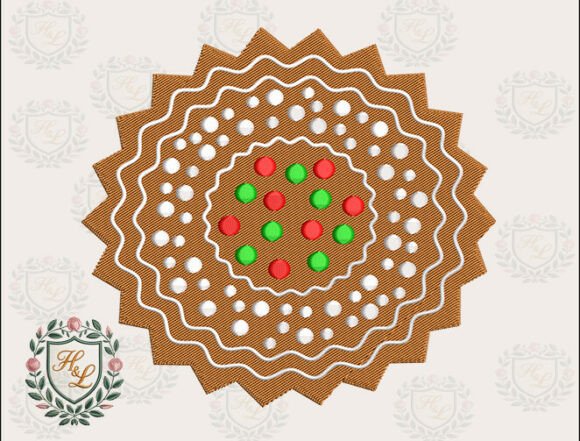
Gingerbread Cookie Embroidery Files Review
As a professional embroidery designer who has spent years refining digital assets for commercial brands, I approach every new file with a critical eye. When evaluating Gingerbread Cookie Embroidery Files, my primary goal is to determine if it can elevate a small business's merchandise beyond a simple craft project and into a premium brand asset. The product description highlights this as a high-quality digital appliqué design perfect for festive decorations, but does it hold up under the scrutiny of daily wear on uniforms, caps, and branded packaging? In this review, we will dissect how this design performs in real-world business scenarios.
First Impressions: Brand Personality and Visual Tone
The moment you open the files for Gingerbread Cookie Embroidery Files, the visual personality jumps out. It strikes a balance between rustic charm and modern polish. For a small business owner looking to create handmade product branding, this design feels incredibly welcoming. It suggests warmth, comfort, and a touch of nostalgia without feeling dated or overly fussy. The appliqué nature of the design implies texture and dimension, which is crucial for creating a tactile experience that customers love.
This aesthetic is particularly strong for businesses in the food and beverage sector, such as bakeries, cafés, or holiday pop-up shops. However, its versatility extends further. A boutique selling artisanal goods or a creative studio offering custom gifts could also leverage the friendly vibe of the gingerbread motif. It communicates that the brand values quality and attention to detail, fostering immediate brand identity recognition. Unlike generic clip art, this embroidery file carries the weight of a deliberate design choice that signals professionalism.
Real-World Application for Small Business Merch
The true test of any machine embroidery design lies in its application across various mediums. For a local café, Gingerbread Cookie Embroidery Files could serve as the centerpiece for staff aprons during the holiday season. The design adds a playful yet cohesive look to work shirts, instantly unifying the team while celebrating the festive spirit. It transforms standard uniforms into branded marketing tools.
Consider the potential for custom apparel like caps and tote bags. A cap embroidered with this design becomes a walking advertisement. The rounded surface of a hat requires a design that balances well without distortion, and the gingerbread shape offers a natural focal point. Similarly, for an Etsy seller or craft business, adding these designs to tote bags creates high-value customer gifts. These items are not just functional; they become part of the customer's lifestyle, increasing the likelihood of repeat engagement.
Furthermore, this design excels as a patch element. An embroidered patch featuring the gingerbread cookie can be applied to denim jackets, backpacks, or even product packaging accents. This adds a layer of exclusivity to the finished product. Whether used as a chest logo accent or a sleeve detail, the design maintains its integrity, proving that it is robust enough for commercial embroidery projects that demand durability.
Strategic Placement and Design Assets
When integrating Gingerbread Cookie Embroidery Files into your inventory, think about how it fits alongside other design assets. Does it complement your existing logo? If your brand uses a minimalist font, the detailed nature of this appliqué design provides a perfect counterbalance. It can be used to break up white space on a large tote bag or serve as a subtle nod on a product label. The key is consistency; using this specific style across all touchpoints reinforces your brand identity and builds customer trust.
Critical Considerations for Production Quality
While the design is promising, a seasoned designer knows that success depends on technical execution. There are specific areas where Gingerbread Cookie Embroidery Files requires careful handling to ensure a flawless finished product.
- Small Patch Sizes: Appliqué designs rely on fabric layers to create depth. If you attempt to downsize this design too much for a tiny lapel pin or a miniature tag, the appliqué edges may fray or the details may merge. Always verify the minimum viable size before mass production.
- Curved Surfaces: When placing this on the front of a cap, the curvature can distort the stitching. You must account for the tension required to pull the design flat against the curve. A poor setup here can lead to puckering, which ruins the professional look.
- Stitch Density and Outlines: Detailed outlines require sufficient thread colors to separate elements effectively. If the stitch density is too high, the fabric may become stiff, making the item uncomfortable to wear. Conversely, if it is too low, the design may lack definition.
- Fabric Texture and Color: The contrast between the thread colors and the base fabric is paramount. On dark uniforms, light-colored threads might get lost unless underlay stitches are optimized. On textured fabrics like heavy canvas or fleece, the needle penetration can be challenging, potentially leading to skipped stitches.
Technical Workflow and Best Practices
To maximize the value of this digital embroidery file, follow a rigorous testing protocol. Before committing to a full run of custom apparel, always test the design in black and white first. This helps you visualize the stitch flow and density without the distraction of color choices. Check if the design holds its shape at the intended patch size and review the spacing between elements to ensure no crowding occurs.
Selecting the correct hoop size and stabilizer is equally critical. A sturdy cut-away stabilizer is often necessary for appliqué work to prevent the fabric from shifting during the complex stitching process. Inspect the spacing carefully to ensure the design sits comfortably within the hoop boundaries. Creating a printable mockup for client approval is also a smart step; it allows stakeholders to see how the design translates to the final medium before any physical production begins.
Finally, do not overlook the importance of thread color selection. The right palette can make the gingerbread cookie pop against a navy apron or blend subtly with a beige tote bag. Compare the design beside other assets in your collection to ensure visual harmony. Most importantly, confirm the commercial licensing terms associated with the file. Ensure you have the legal right to use the design on products you intend to sell, protecting your business from potential copyright issues.
Conclusion: Elevating Your Brand
In summary, Gingerbread Cookie Embroidery Files offers a compelling option for businesses seeking to add a festive, high-quality touch to their merchandise. Its appliqué construction provides a premium feel that elevates simple items like tote bags and caps into desirable branded goods. By understanding its strengths and adhering to strict production standards regarding stitch density, stabilizers, and fabric selection, small business owners can leverage this design to enhance their product value and engage customers more deeply.
Whether you are decorating a bakery's staff uniforms or creating unique gifts for a holiday market, this design serves as a versatile tool in your arsenal. Remember to check the specific technical details provided by the creator, such as exact stitch counts and file formats, to ensure compatibility with your equipment. With the right preparation, Gingerbread Cookie Embroidery Files can help transform your creative vision into a tangible, profitable reality.