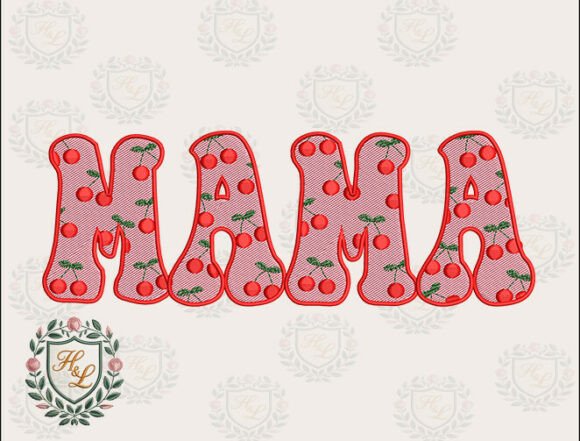
Cherry Mama Embroidery Files: A Designer's Review
As an experienced embroidery designer who has spent years refining designs for commercial applications, I approach every new digital embroidery file with a critical eye. When evaluating assets for small business merchandise, branded patches, and uniform accents, the difference between a cute decoration and a professional brand asset often comes down to stitch density, scalability, and overall visual impact. Today, I am reviewing the Cherry Mama Embroidery Files specifically through the lens of a business owner looking to elevate their product line, whether that is a local café, a boutique shop, or a handmade craft brand.
First Impressions: The Visual Personality of Cherry Mama Embroidery Files
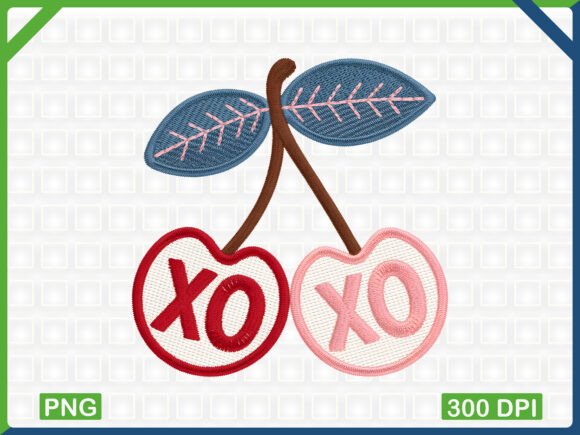
The title "Cherry Mama" immediately suggests a design that balances playfulness with warmth. Based on the description highlighting high-quality digital appliqué, my initial assessment is that this design leans towards a friendly, rustic, and perhaps slightly vintage aesthetic. For a small business, this personality is crucial. It does not scream corporate rigidity; instead, it evokes a sense of community, home, and artisanal quality. This makes it an ideal candidate for brands that want to project a "handmade" vibe without sacrificing professionalism.
In the context of Mother's Day or festive decorations, the cherry motif offers a vibrant pop of color that can serve as a focal point. However, for year-round branding, we must look beyond the seasonal appeal. Does the design feel premium? Yes, the mention of appliqué suggests a textured, layered look that adds depth compared to standard satin stitch designs. This texture is essential for creating a tactile experience for customers, which significantly enhances the perceived value of the finished product.
Real-World Business Applications
When I imagine integrating Cherry Mama Embroidery Files into a commercial workflow, several high-value use cases come to mind. Let us consider a scenario where a local bakery or florist wants to launch a branded merchandise line. The versatility of this design allows it to function effectively as an embroidered patch, a chest logo accent, or a subtle sleeve detail.
- Staff Uniforms and Aprons: For a coffee shop or restaurant, this design could be embroidered on high-quality aprons. The appliqué technique would stand out beautifully against denim or canvas workwear, signaling to customers that the staff takes pride in their craft. It transforms a standard uniform into a branded tool.
- Tote Bag Design: Tote bags are a staple for small businesses and Etsy sellers. Using Cherry Mama Embroidery Files on a canvas tote creates a durable, washable logo that serves as a walking advertisement. Unlike screen printing, which can crack over time, machine embroidery holds up exceptionally well, ensuring long-term brand visibility.
- Caps and Hats: A cap design requires precision. If the design scales correctly, it can serve as a charming front logo for trucker hats or structured caps, perfect for team events or promotional giveaways at trade shows.
- Product Packaging Accents: Beyond apparel, this design can be used on tags attached to handmade goods. An embroidered label on a soap bar box or a candle jar adds a luxurious touch that elevates the unboxing experience.
Furthermore, for event merch, such as a wedding shower or a charity fundraiser, these files provide a cohesive visual identity. They act as design assets that tie together various elements of the event, from invitations to party favors, creating a unified brand story.
Strategic Considerations and Limitations
While the potential is high, an experienced designer knows that not every design fits every application. There are specific scenarios where Cherry Mama Embroidery Files requires careful evaluation before production begins.
- Small Patch Sizes: Appliqué designs often rely on distinct shapes and layers. If you attempt to reduce this design to a very small size (under 2 inches), the details may become muddy. The outlines might merge, and the appliqué edges could fray if the fabric grain is not managed correctly.
- Curved Surfaces: While caps are great, the curvature can distort complex designs. If the design features tiny lettering or intricate floral details, it may not read clearly when stitched onto a curved cap front. Testing on the actual garment shape is mandatory.
- High Stitch Density: If the design is too dense, it can make the fabric stiff, which is undesirable for soft t-shirts or lightweight tote bags. On dark uniforms, the density might show through as a shadow if the underlay is not sufficient.
- Fabric Texture: Textured fabrics like bouclé or heavy wool can hide the fine details of an embroidery design. Smooth fabrics like twill or sateen will yield the crispest results.
Additionally, items that require frequent industrial washing, such as heavy-duty work shirts, need designs that can withstand abrasion. Appliqué generally holds up well, but the thread colors must be selected carefully to ensure they do not bleed or fade quickly.
Impact on Brand Identity and Customer Trust
In the world of small business merch, consistency is king. Customers trust brands that present a polished image. A sloppy embroidery job can signal a lack of attention to detail, whereas a clean, professional application of Cherry Mama Embroidery Files reinforces a message of quality and care.
When a customer sees a perfectly executed embroidered patch on a tote bag or a crisp logo on a cap, it triggers a psychological response associated with durability and craftsmanship. This enhances brand identity by visually communicating that the business values its products. For handmade brands, this is particularly important; the embroidery becomes part of the narrative, suggesting that the item was made with love and precision. This visual consistency across different products—whether it is a pillow, a shirt, or a gift tag—builds recognition and fosters buyer engagement.
Practical Designer Notes for Production
Before committing to a bulk run of branded products, there are several technical steps every designer and business owner should take to ensure success with any embroidery file.
Test in Black and White First: Convert the design to grayscale to check the contrast and readability. If the design loses its shape without color, the stitch density or spacing may need adjustment.
Check Small Size Scalability: Create a mockup of the design at the smallest intended size (e.g., a 2-inch patch). Ensure that the text remains legible and the appliqué shapes are distinct.
Review Thread Color Contrast: Select thread colors that pop against your target fabric. Dark threads on light fabric and vice versa are standard, but neon or pastel threads may require a specific underlay strategy to prevent them from disappearing into the material.
Inspect Spacing and Hoop Size: Verify that the design fits within the available hoop area without hitting the edges. Insufficient clearance can lead to registration errors where the needle hits the hoop itself.
Test on Real Fabric: Digital mockups are helpful, but nothing replaces testing on the actual fabric you plan to use. Check how the stabilizer interacts with the material and whether the fabric puckers after stitching.
Create a Printable Mockup: Before sending files to production, generate a realistic printable mockup for client approval. This helps stakeholders visualize the final finished product and catch any issues early in the process.
Confirm Commercial Licensing: Most importantly, always verify the commercial licensing terms. Ensure you have the legal right to use Cherry Mama Embroidery Files for selling physical goods. Without proper licensing, even the most beautiful design can lead to legal trouble.
By following these protocols, you can transform a simple digital file into a powerful tool for your brand. Whether you are launching a new line of custom apparel or adding a unique touch to existing inventory, Cherry Mama Embroidery Files offers a promising foundation for professional, high-quality embroidery projects that resonate with customers and stand the test of time.